Thimphu · 12–14 Nov · 2 nights · provisional
Pemako Thimphu
A city-centre stay blending traditional Bhutanese architecture and murals with contemporary comfort.
Availability and booking confirmation remain pending.

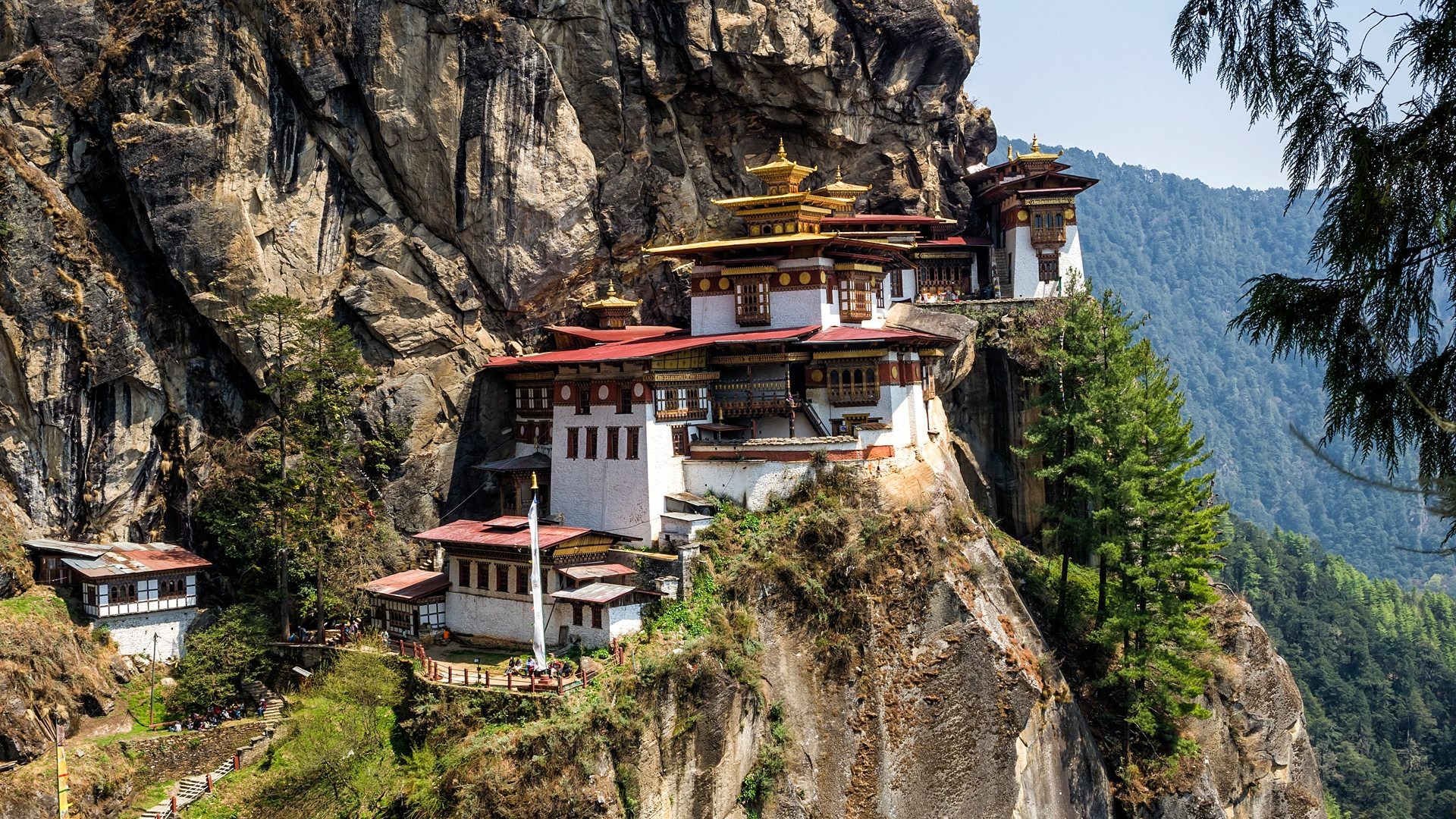
From Thimphu’s living traditions to Punakha’s rivers, Gangtey’s open valley and the sacred landscapes of Paro, this private journey brings together culture, gentle adventure and space to enjoy remarkable lodges.
The preferred journey moves from the capital through Punakha and Phobjikha before returning to Paro. The map shows the journey between the four valleys, including arrival in Paro and the return from Gangtey. The road route is indicative; exact transfers and sightseeing stops may vary.
2 nights · 12–14 Nov
3 nights · 14–17 Nov
3 nights · 17–20 Nov
2 nights · 20–22 Nov
Paro · Thimphu · Punakha · Gangtey
Interactive route loads on the proposal.
Arrival in Paro → Thimphu → Punakha → Gangtey → Paro Indicative road route · select a stop for your stay details
All accommodation remains subject to availability and booking confirmation.
A city-centre stay blending traditional Bhutanese architecture and murals with contemporary comfort.
Availability and booking confirmation remain pending.
A riverside lodge in the Punakha Valley, with tented suites, gardens and views towards forested hills.
Availability and booking confirmation remain pending.
A farmhouse-inspired lodge overlooking the Phobjikha Valley and the Black Mountains.
Availability and booking confirmation remain pending.
A forested hillside retreat combining Bhutanese craftsmanship with contemporary design and views across the valley.
Availability and booking confirmation remain pending.
All arrangements remain provisional until booked and confirmed.
The quote includes a Business Class Delhi–Paro flight; typical direct flying time is about 2 hours 15 minutes, with schedules and final fares unconfirmed. See the regional flight details above. Arrive in Paro and meet your guide and driver for the approximately one-hour transfer to Thimphu, stopping at Tamchog Lhakhang en route. Settle into the hotel, then visit the Royal Takin Preserve and take the easy Wangditse hike. Visit the farmers market if time permits. Lunch is at own expense.
Visit Buddha Dordenma, hike through Kuensel Phodrang, explore the Royal Textile Academy and meet Aum Jambay for a private traditional dyeing experience. Lunch is at own expense.
Transfer to Punakha, approximately three to four hours, via Dochula Pass and Lamperi Botanical Garden, with a tree-planting experience. Check in and enjoy lunch, then visit Zhoshi village for ara making. The evening is at leisure, with archery and darts suggested at the lodge.
Hike to Khamsum Yuelley Namgyal Chorten in the morning and return for lunch. Visit Punakha Dzong in the afternoon, followed by nearby Bali village, with a walk or cycling option.
Hike from Punakha Suspension Bridge towards Samdingkha, then enjoy private rafting on the Pho Chhu. Return to the lodge for lunch. Visit Sangchhen Dorji Lhendrup Nunnery for a blessing ceremony and make your own butter lamp to offer at the altar.
Transfer to Phobjikha, approximately two to three hours, stopping at Chimi Lhakhang en route. The afternoon is at leisure, or you may choose to explore on the lodge’s bikes. Later, visit the Shedra for guided meditation and join the monks for evening prayer.
Visit Gangtey Goemba and walk the Gangtey Nature Trail, approximately 4.6 km and two hours. Return to the lodge for lunch. In the afternoon, cycle or drive to the Black-necked Crane Information Centre.
A roughly 30-minute drive takes you to the start of the Longteng hike. Walk through bamboo, village landscapes and forest to a pass at 3,586 metres, with views of Gangtey Goemba, the Shedra and the valley. Continue towards Kumbu village, with collection or continuation to the Shedra possible. Allow approximately four hours over 7 km, with an altitude gain of 431 metres. Return for lunch; the afternoon is at leisure, or choose a bike ride towards Kumbu village if energy permits.
After breakfast, transfer to Paro, approximately five hours. Check in and enjoy lunch, then visit Ta Dzong, the National Museum. Later, print a personal prayer flag using the traditional wooden-block method, guided by a local monk. The flag may be blessed at Tiger’s Nest the following day.
Set out in the morning for the half-day hike to Taktsang Monastery, or Tiger’s Nest. Allow approximately five hours of hiking, with an altitude gain of around 900 metres. Return for lunch, with the rest of the day at leisure. I’ve heard that ending the day with a massage is a delicious treat after a long day of hiking. Spa treatments can be arranged at an additional cost.
After checking out, transfer to Paro airport for your onward flight. The quote includes a Business Class Paro–Bangkok flight; typical direct flying time is about 3 hours 15 minutes. See the regional flight details above. November 2027 flight schedules, fares and transfer timing remain unconfirmed.
A few things to help you prepare for 12–22 November 2027. Entry requirements, airline allowances and other practical details will be rechecked before you travel.
November is generally a good time for walking, with clear mountain views and cooler evenings. Conditions vary between valleys: Punakha is warmer, while Gangtey is noticeably colder. Black-necked cranes return to their wintering grounds in Phobjikha around autumn; sightings are not guaranteed.
| Valley | Average high | Average low |
|---|---|---|
| Thimphu | 18.1°C | 2.0°C |
| Punakha | 26.5°C | 13.3°C |
| Gangtey / Phobjikha | 9.8°C | 4.7°C |
| Paro | 17.1°C | 2.6°C |
Pack comfortable walking shoes, woollen hiking socks, light layers, a warm fleece, a down jacket and thermals for chilly mornings and evenings. A warm hat, gloves and scarf are useful in the higher valleys, along with a showerproof windbreaker.
Bring sunglasses, a sun hat, sunscreen and lip balm, plus a small torch, camera, toiletries and insect repellent. Long trousers and long-sleeved tops are useful for religious visits. Keep luggage manageable; hotel laundry can help reduce how much you need to bring.
Your passport should be valid for at least six months after you leave Bhutan. Carry a printed copy of your Bhutan visa approval, with digital and paper copies of your passport and other travel documents. I’ll coordinate the visa arrangements as part of your booking.
Before arriving via Delhi: check the Indian entry or transit requirements for your passport and the way your flights are ticketed, especially if you will pass immigration, collect baggage or stay overnight. We’ll review this once your connections are confirmed. Use the official Indian visa portal and check any applicable arrival-card requirements.
On arrival in Thailand: non-Thai nationals currently need to complete the free Thailand Digital Arrival Card within the three-day window before arrival, including arrival day. This is separate from any visa requirement.
Current reference: Bhutan entry guidance. Requirements depend on your passport and may change before November 2027.
The guide lists a 40 kg Business Class baggage allowance on international flights to and from Paro, with cabin baggage up to 7 kg and maximum dimensions of 45 × 35 × 20 cm. Drukair currently publishes these limits, but the operating airline and the allowance on your ticket will be confirmed when flights are booked.
Keep power banks and spare lithium batteries in hand luggage and check the airline’s battery rules before packing. Keep essential medication and travel documents accessible in your cabin bag.
Plan to arrive at Paro airport at least three hours before an international departure, unless your confirmed airline instructions say otherwise. Your departure transfer will be arranged around the final schedule.
Current Drukair baggage guidance. Allowances and security requirements will be reconfirmed with your tickets.
Arrange comprehensive travel insurance covering medical treatment, evacuation, cancellation and disruption, baggage, and the hiking, cycling and rafting activities you intend to do. Check any altitude limits or activity exclusions in your policy.
Discuss vaccinations, medication and your route with a travel-health professional ahead of departure. Carry sufficient regular medication, a copy of your prescription and any relevant medical information. Let me know about any health needs that may affect your activities.
Some walks take place at altitude. Take your time, stay hydrated and tell your guide if you feel unwell. Strong sunshine can catch you out even in cool weather, so use sunscreen and a hat.
Use sealed bottled or appropriately treated drinking water rather than drinking tap water.
Bhutanese cooking features red rice, buckwheat, chillies and cheese, with dishes such as ema datshi, dumplings and warming soups. Food can be spicy; your hotels also offer a range of international dishes.
Please send me any food or medication allergies and dietary requirements well before travel so the hotels can prepare. Remind the restaurant team or chef when you arrive, and check dishes directly. Bhutan’s remoteness means some specialist ingredients may be harder to obtain.
The local currency is the Bhutanese ngultrum (Nu.), linked at parity to the Indian rupee. Carry some cash for smaller purchases, village visits and gratuities rather than relying entirely on cards or ATMs.
Visa and Mastercard are accepted at many hotels, but card facilities can be limited outside the main towns. American Express acceptance is more limited. Card payments and cash withdrawals may attract fees; check your bank’s overseas charges and make sure your cards are enabled for travel.
Tips are discretionary. Your guide and driver can help you judge suitable local amounts, and I can share gratuity guidance before departure. Check restaurant bills for an included service charge before adding a tip.
Bhutan uses 220–240 V, 50 Hz electricity. The guide notes Type D and Type G sockets; bring a suitable universal travel adaptor and check that chargers support the local voltage.
Major hotels generally offer Wi-Fi, while mobile coverage is better in towns and valleys than in remote areas. Check your roaming costs or ask about a local SIM for an unlocked phone. Download any maps or documents you want to use offline.
Bhutan is on GMT +6, so it is six hours ahead of the UK during your November trip. The official language is Dzongkha.
Dress modestly for monasteries, dzongs and other religious sites, with long trousers and long-sleeved tops. Remove hats where requested and follow your guide’s advice on local etiquette.
Ask permission before photographing people. Photography inside shrine rooms is generally not permitted; check with your guide before taking pictures at religious sites. Outdoor photography is usually allowed where indicated.
A few useful Dzongkha phrases from the guide: Kuzu zangpo la for greetings and Kadrin chhoey for thank you.
Look out for handwoven textiles, carved masks, handmade paper, wooden bowls and thangka paintings. Buy from reputable shops and keep receipts, particularly for more valuable items.
Avoid buying antiques or old religious objects without first checking with your guide; export restrictions apply. Check current customs rules before bringing tobacco, alcohol, plants or specialist equipment, and do not bring a drone without confirming the required permissions.
Your guide will be your first point of contact during the journey. The travel guide also lists the following local emergency contacts; these will be reconfirmed in your final travel documents:
Keep your final itinerary, insurance details and important contact numbers available offline.
On 21 November, hike to Taktsang Monastery, perched dramatically above the Paro Valley. Allow approximately five hours for the hike, with an altitude gain of around 900 metres; the afternoon is at leisure.
Walk through pine forest above Thimphu, along the Gangtey Nature Trail and into the countryside around Punakha. The revised plan adds the Longteng hike: approximately 7 km and four hours, with a 431-metre altitude gain.
The programme includes private Pho Chhu rafting after the Samdingkha hike on 16 November, followed by a blessing and butter-lamp offering at the nunnery.
Meet a traditional dyer in Thimphu, make an offering of butter lamps and discover prayer-flag printing.
Explore Zhoshi village and its ara-making tradition, and visit Bali village on foot or by bicycle.
The programme offers in-house bikes in Gangtey, a cycling option to Bali village and an optional ride towards Kumbu village after the Longteng hike, if energy permits.
This journey is designed for four guests in two double rooms. The amount below is an indicative GBP conversion; arrangements remain subject to availability and booking confirmation.
GBP estimate for four guests · including regional Business Class flights
Quoted amount: $49,345.
Bhutan ground itinerary: approx. £33,116 ($44,025)
Delhi–Paro and Paro–Bangkok, Business Class: approx. £4,002 ($5,320 for four)
Converted at $1 = £0.7522, using the published rate on 28 October 2026. Amounts are rounded independently, so the rounded components may differ from the total by £1. The final GBP amount may change with exchange rates and payment charges. This is not a confirmed GBP quotation.
For four guests in two double rooms, including the stated regional Business Class flights. This is a quote, not confirmation that bookings or tickets have been issued.
Deposit: approximately £9,279 ($12,336), representing 25% of the quoted total, due within seven days of confirmation.
Balance: approximately £27,838 ($37,009), due 65 days before arrival — 8 September 2027.
For bookings made within 65 days of arrival, 100% payment is required within 72 hours of booking and is non-refundable.
65 days or more before arrival: no cancellation charge, except applicable cancellation charges for air tickets already issued and administration fees.
Within 65 days of arrival: the full deposit is retained as a cancellation charge.
Confirming the booking means accepting the applicable booking terms and conditions. Please review the full terms provided with your booking documents before confirming.